 All Cheeked Up
The Glute Library
The Glute Library
The Glute Library
Hip extension, squats, hinges, and side-glute work. Filter the list, then read the setup before you add load.
Showing 30 of 30 exercises
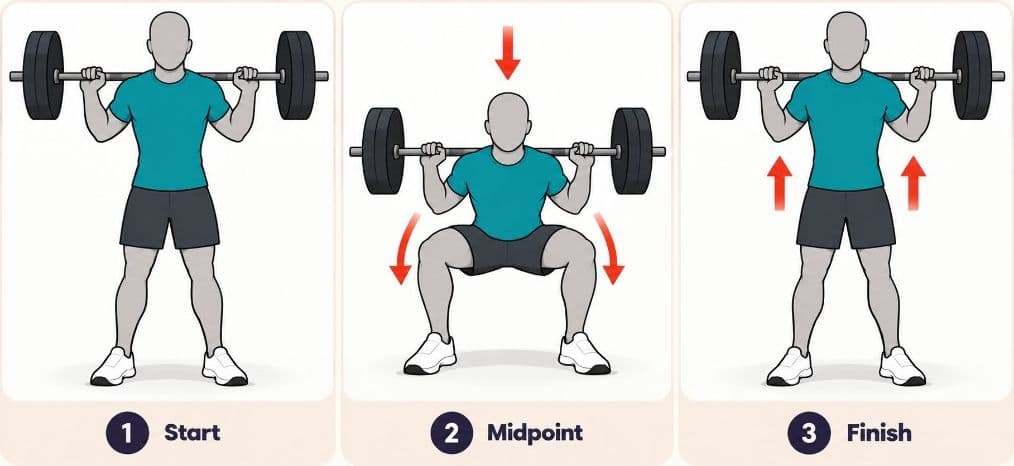
A barbell squat loads the hips and thighs together. Done with a brace and a depth you can own, it is one of the most useful strength exercises in the gym.
quadriceps, gluteus maximus
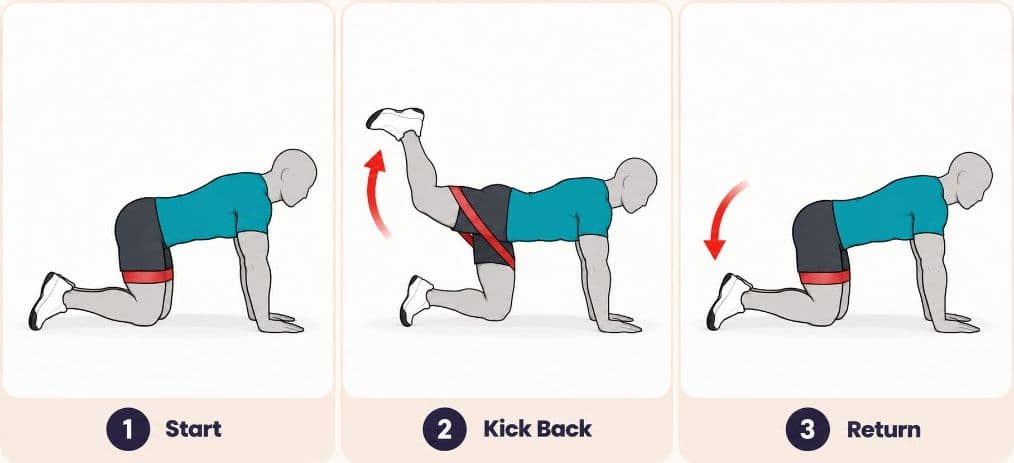
A band anchored low replaces the cable. The same rule applies: the hip extends, the spine does not.
gluteus maximus
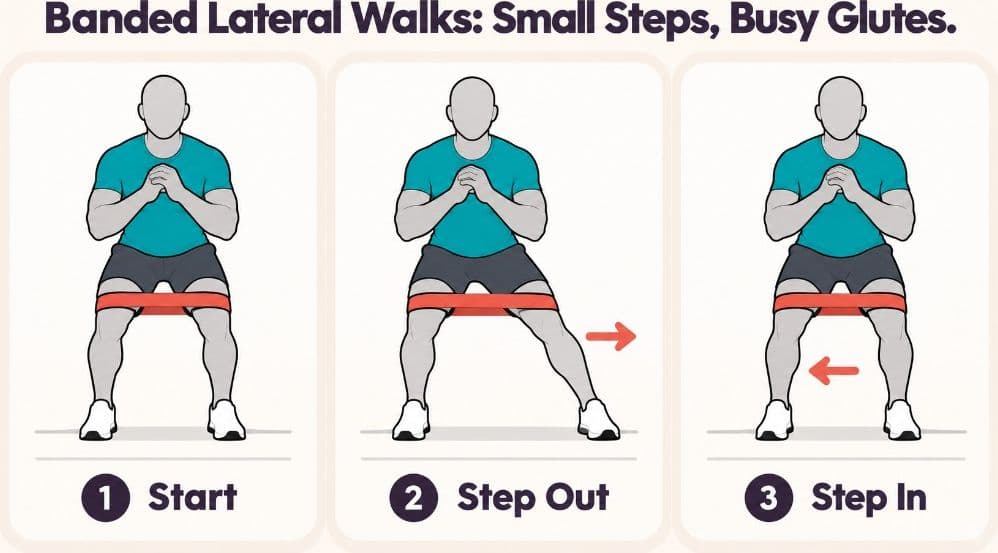
A mini band above the knees or around the feet turns a side step into medius work. Stay low enough to feel it, tall enough to keep breathing.
gluteus medius
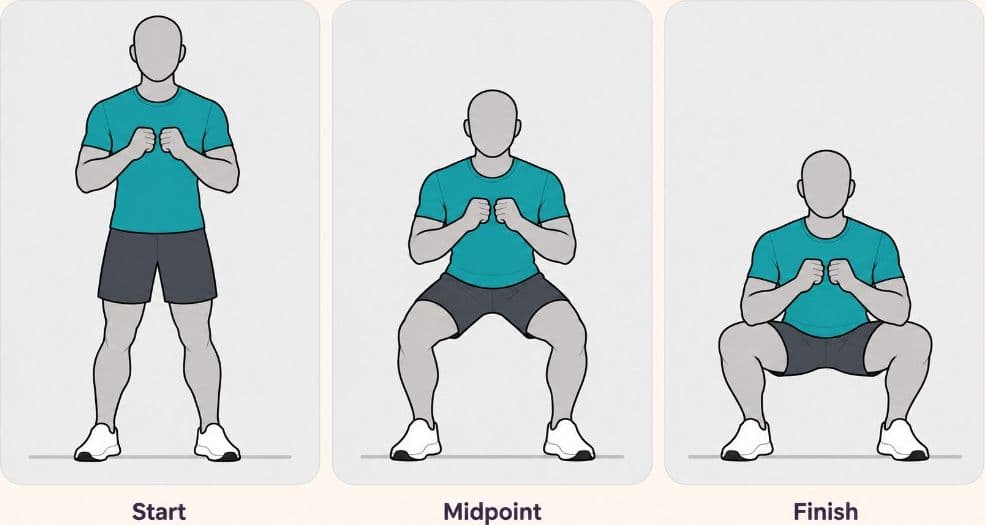
A careful bodyweight squat is the starting point for loaded squats and a workout by itself. Depth is whatever you can reverse with the heels down.
quadriceps, gluteus maximus
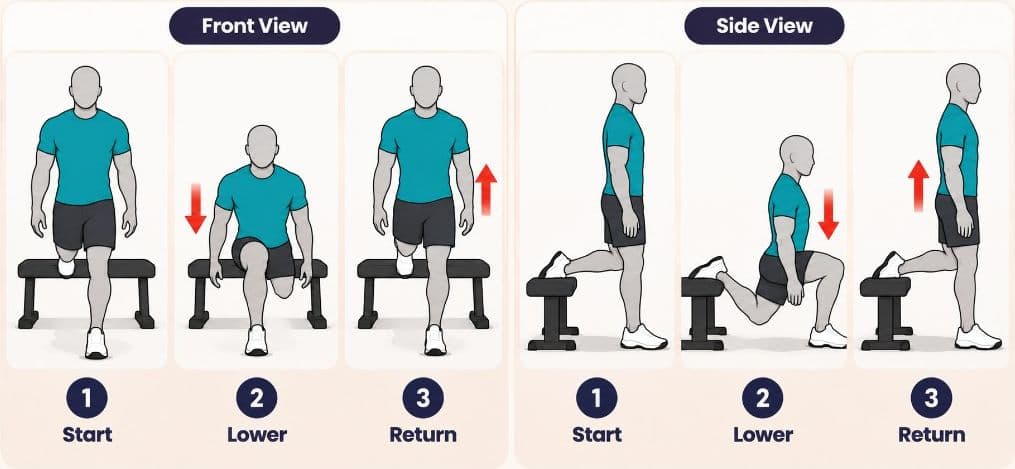
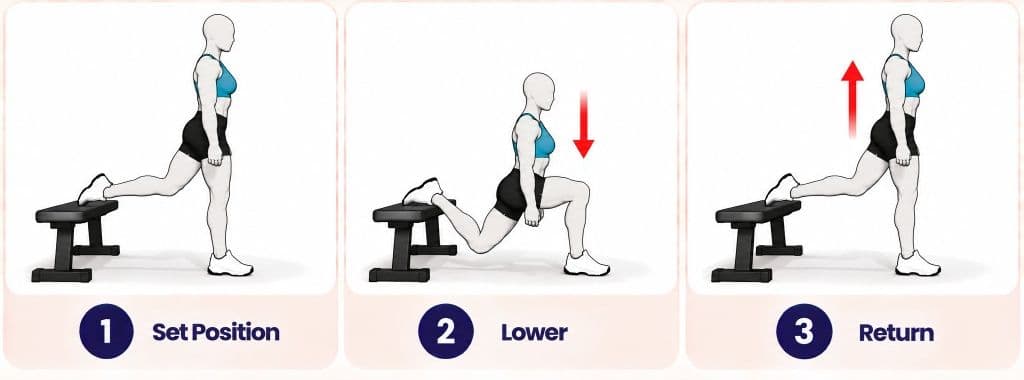
The rear foot rests on a bench while the front leg does the work. It builds single-leg strength and asks the glutes to control the bottom.
quadriceps, gluteus maximus
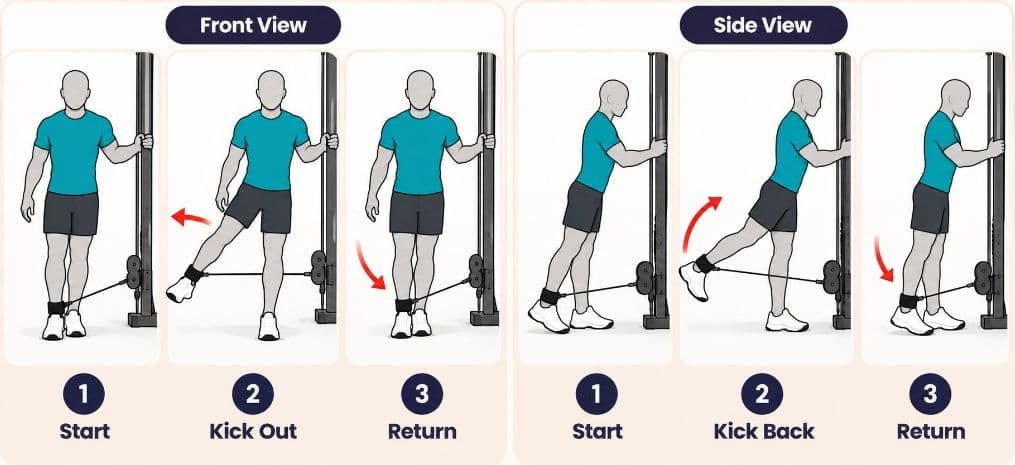
A cable keeps tension on the glute through the kickback. The torso stays quiet so the hip, not the lower back, creates the motion.
gluteus maximus
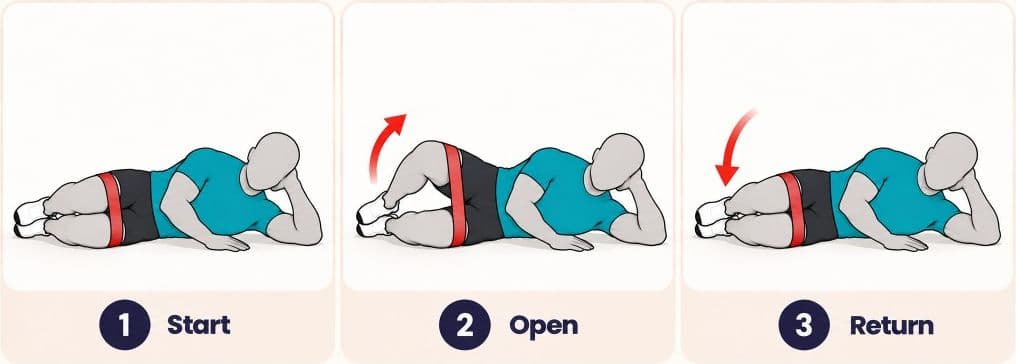
Side-lying clamshells train hip external rotation and the gluteus medius. They are a warm-up and a beginner builder, not a replacement for squats and bridges.
gluteus medius
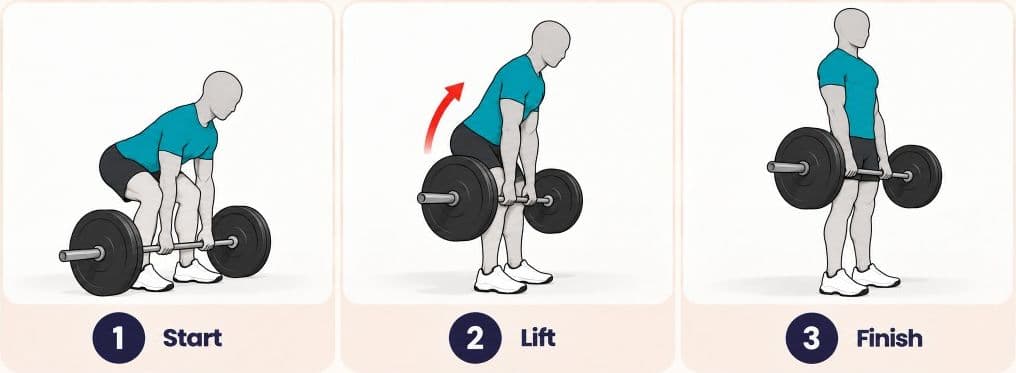
A full deadlift starts from the floor and finishes with the hips and knees locked together. It is a whole-body strength lift with a large glute and hamstring demand.
gluteus maximus, hamstrings
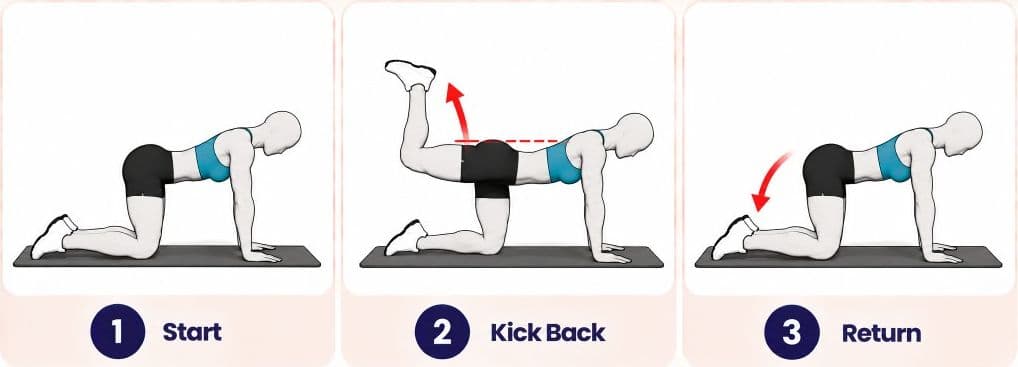
The donkey kick is a bent-knee hip extension from all fours. Keep the hips square and the kick will find the glute instead of the lower back.
gluteus maximus
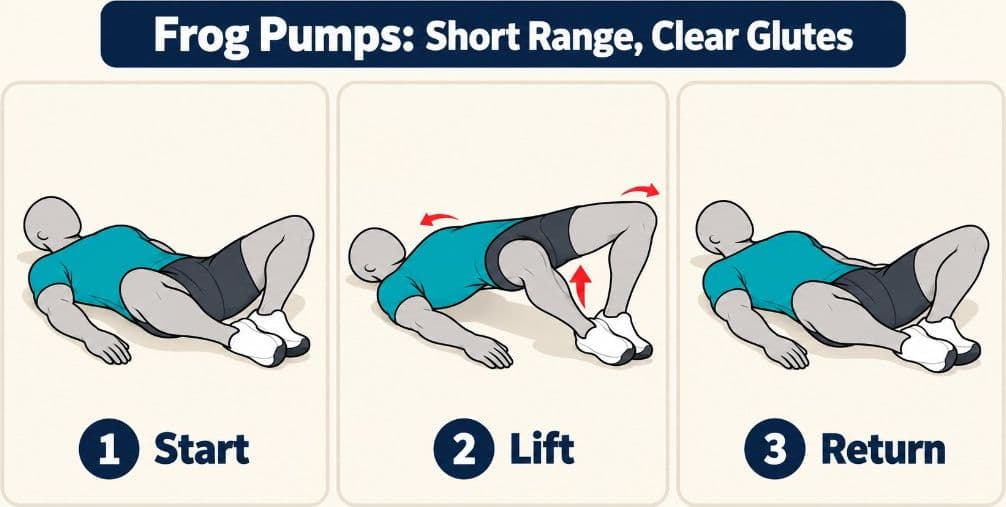
With the soles of the feet together and the knees open, the frog pump puts the glutes in a shortened position. It is a high-rep finisher, not a max-strength lift.
gluteus maximus
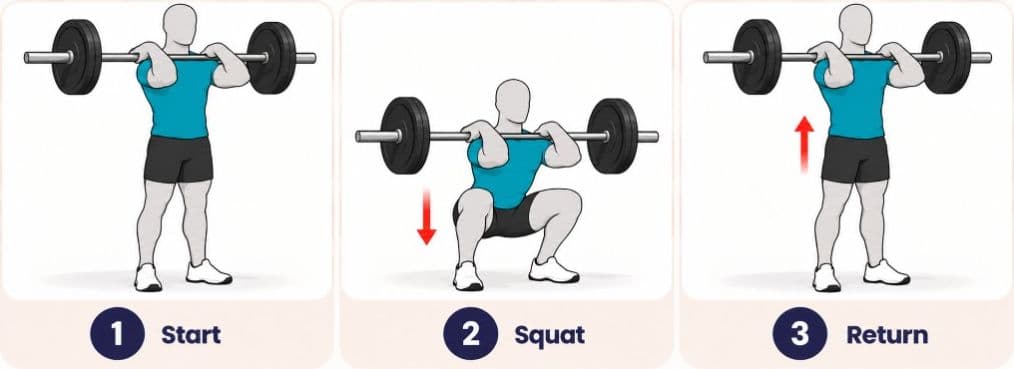
The front squat keeps the trunk more upright and asks a lot of the quads while the glutes still work to stand you back up.
quadriceps, gluteus maximus
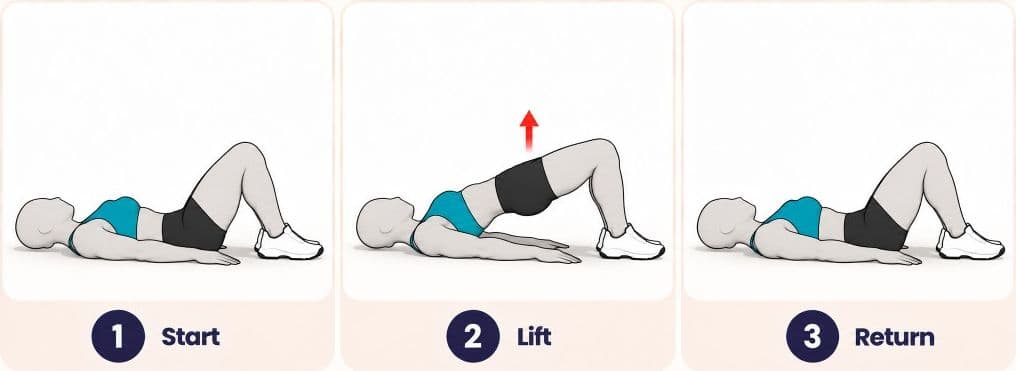
The glute bridge is hip extension without a bench. It teaches the lockout that heavier thrusts and hinges depend on.
gluteus maximus
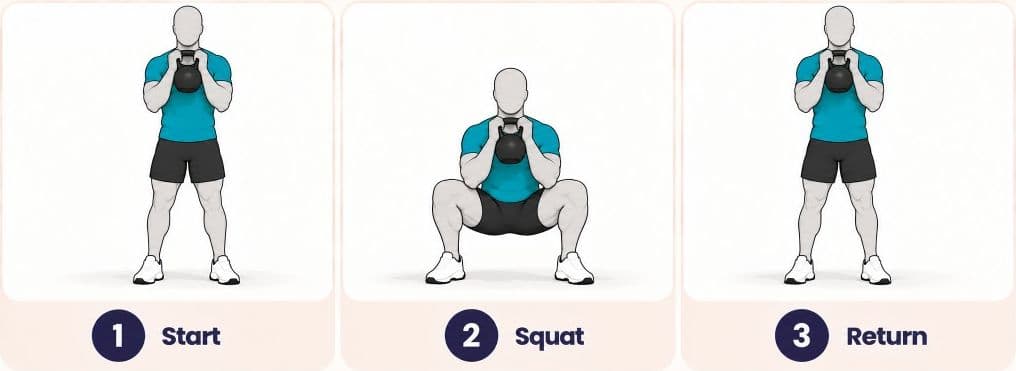
Holding a weight at the chest makes it easier to sit between your hips. It is a teaching squat and a legitimate strength exercise.
quadriceps, gluteus maximus
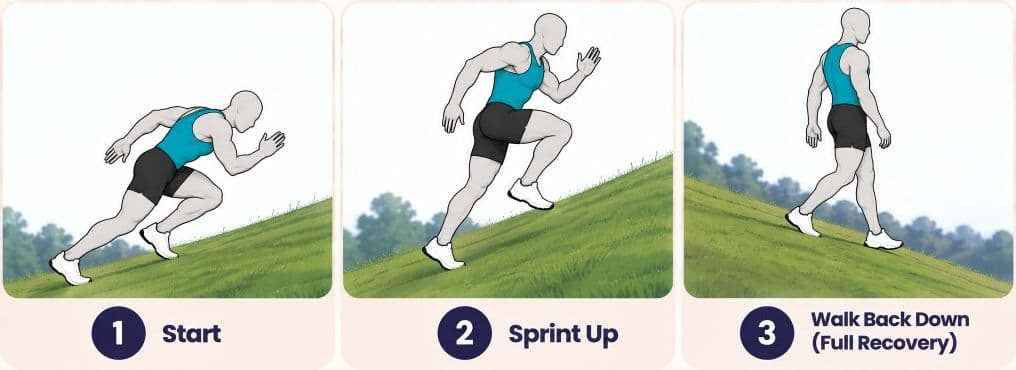
Short uphill sprints train power and acceleration. The hill slows you down just enough to make sloppy form obvious. Rest is part of the workout.
gluteus maximus, quadriceps
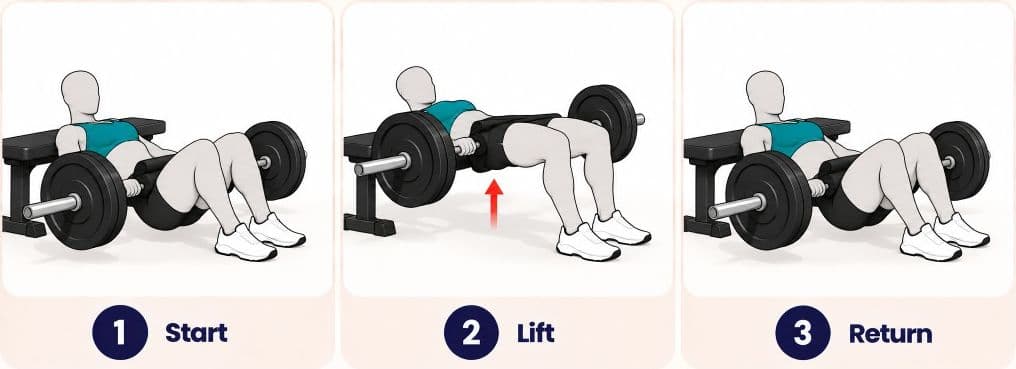
One of the most useful exercises for loading hip extension. Set up correctly, move with control, and let the glutes do the work.
gluteus maximus
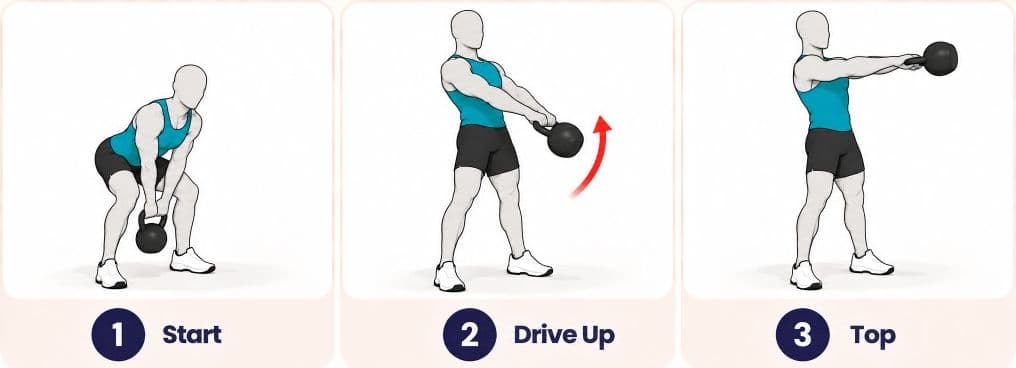
The swing is a powerful hip hinge, not a squat that lifts a bell with the arms. The glutes snap the hips forward. The arms are along for the ride.
gluteus maximus, hamstrings
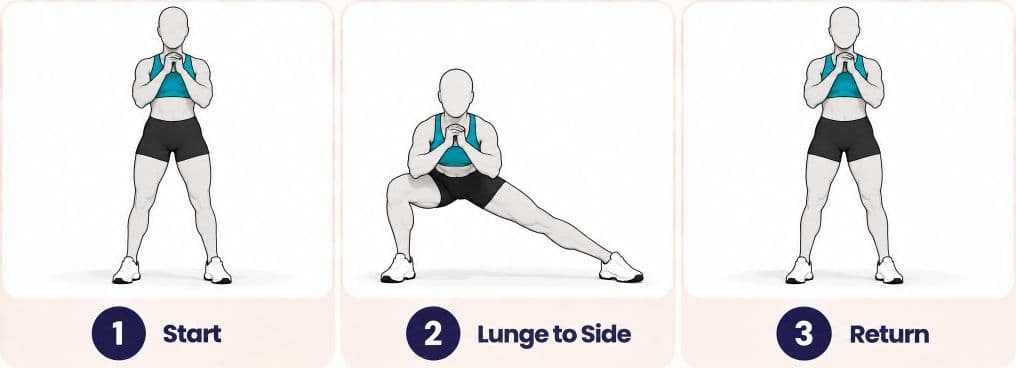
Stepping out to the side loads one hip in a different direction from a forward lunge. It asks the glutes and adductors to share the work.
gluteus maximus, adductors
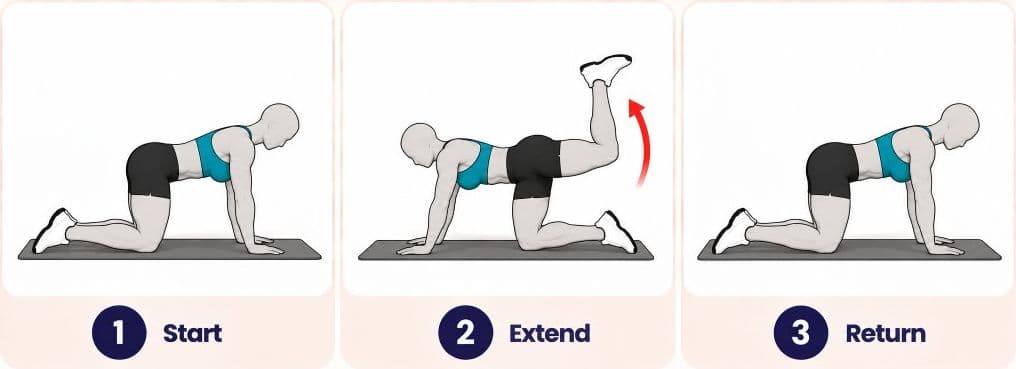
From hands and knees, you extend one hip behind you. The goal is a smooth heel reach, not a high kick that arches the back.
gluteus maximus
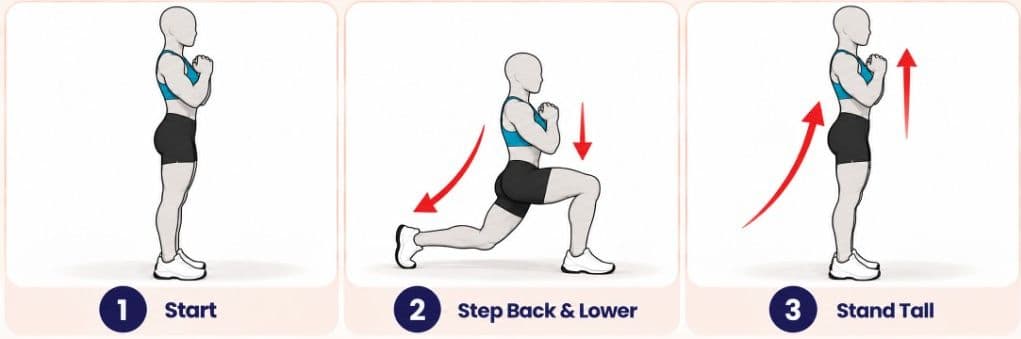
Stepping backward is often easier to control than stepping forward. The front leg trains the glutes and quads while you keep your balance.
gluteus maximus, quadriceps
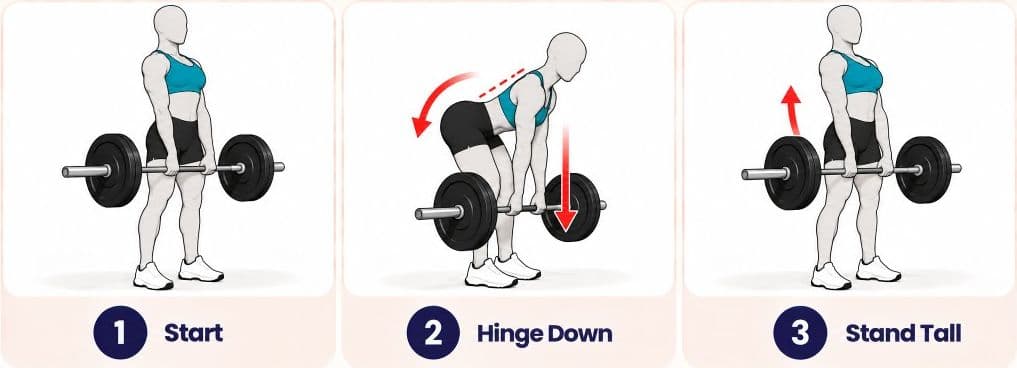
The Romanian deadlift trains the glutes and hamstrings through a hip hinge. The bar stays close, the spine stays long, and the hips do the moving.
hamstrings, gluteus maximus
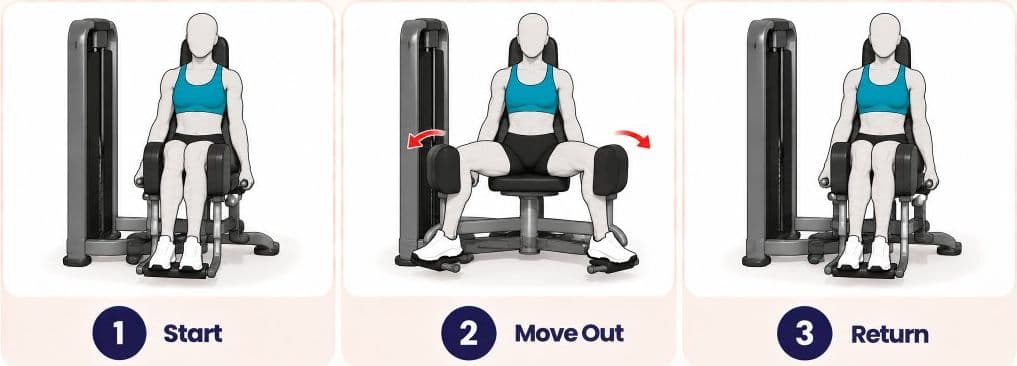
The seated abduction machine lets you load the side glutes without balancing. A controlled range beats a stack you have to heave.
gluteus medius
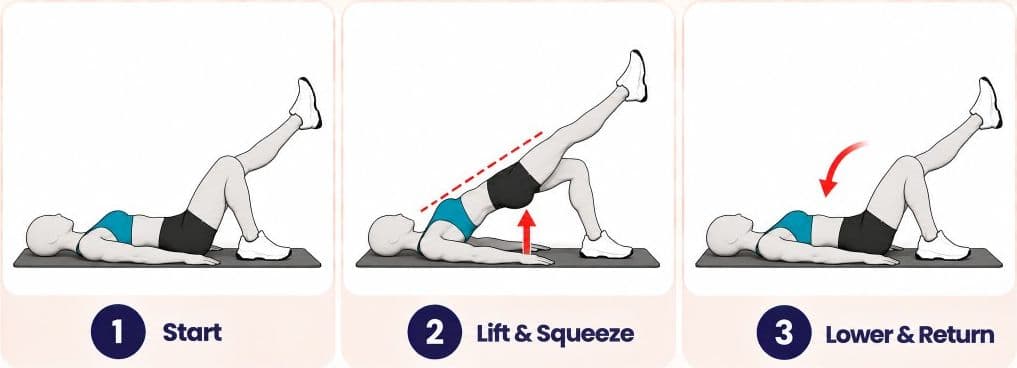
Lifting one foot turns the bridge into a one-sided hip extension. The hips should stay level. If they twist, the load is too ambitious.
gluteus maximus
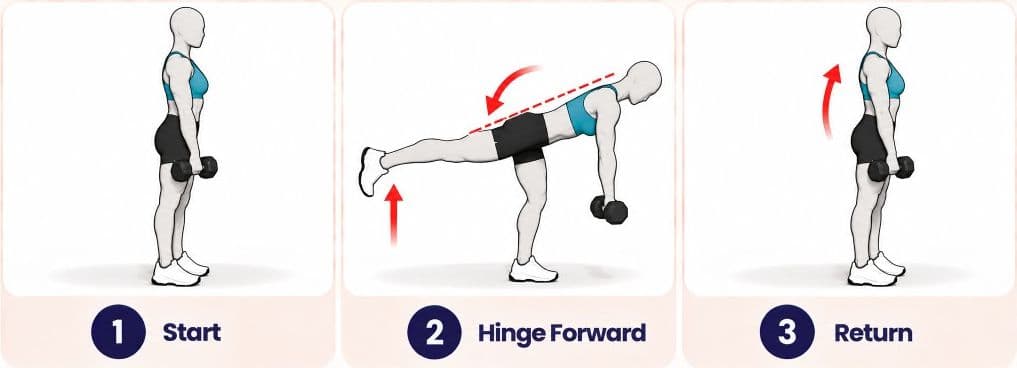
One foot stays down while the other leg reaches back. It trains the glutes and hamstrings and shows you which side has been getting a free ride.
hamstrings, gluteus maximus
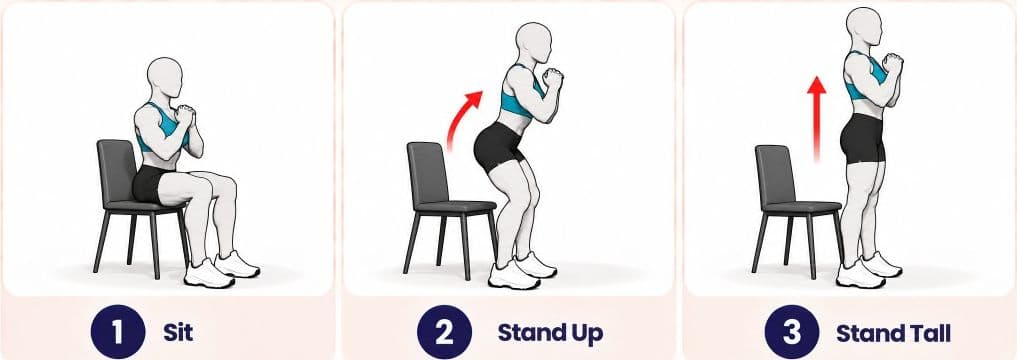
Sitting to a chair and standing back up teaches squat depth with a target. Raise the seat if you need to. Lower it when the reps are easy.
quadriceps, gluteus maximus
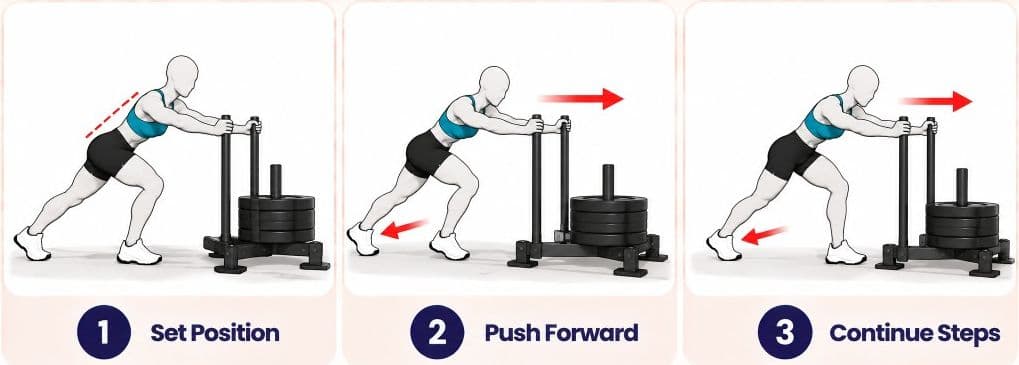
Pushing a sled builds legs and lungs without an eccentric lowering phase. It is a power and conditioning tool when the steps stay strong.
quadriceps, gluteus maximus
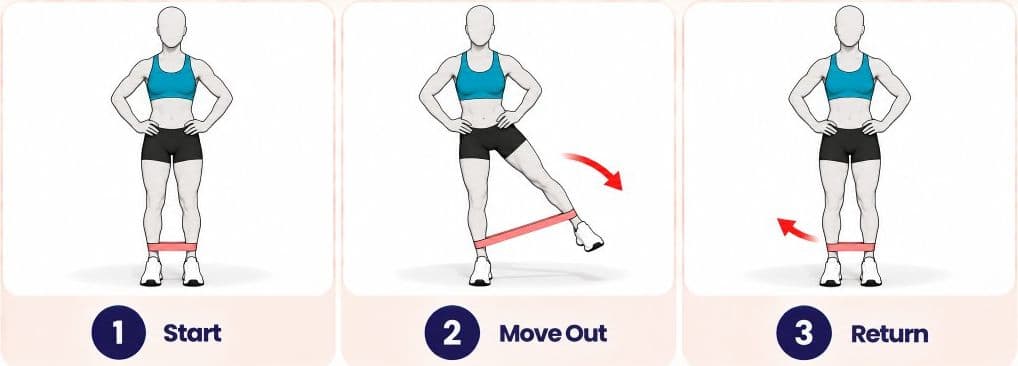
Moving the leg out to the side trains the gluteus medius and minimus, the muscles that keep the pelvis steady when you walk, lunge, and run.
gluteus medius, gluteus minimus
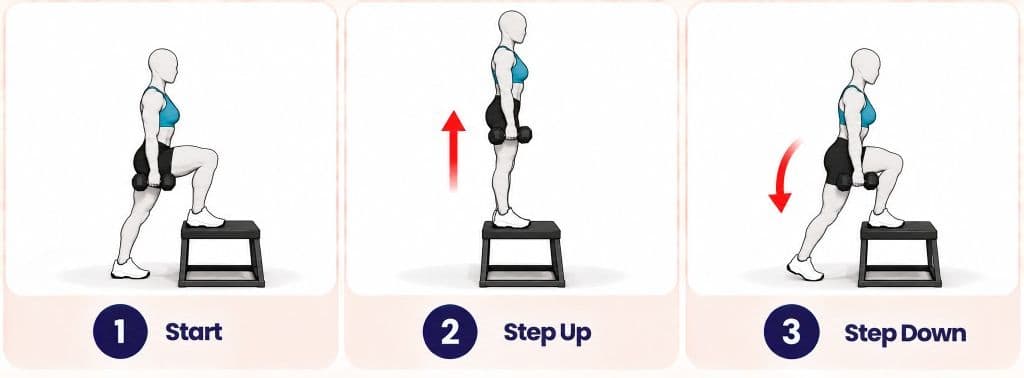
Step-ups build single-leg strength with a simple pattern. The height of the box decides how much hip and knee bend you need.
gluteus maximus, quadriceps
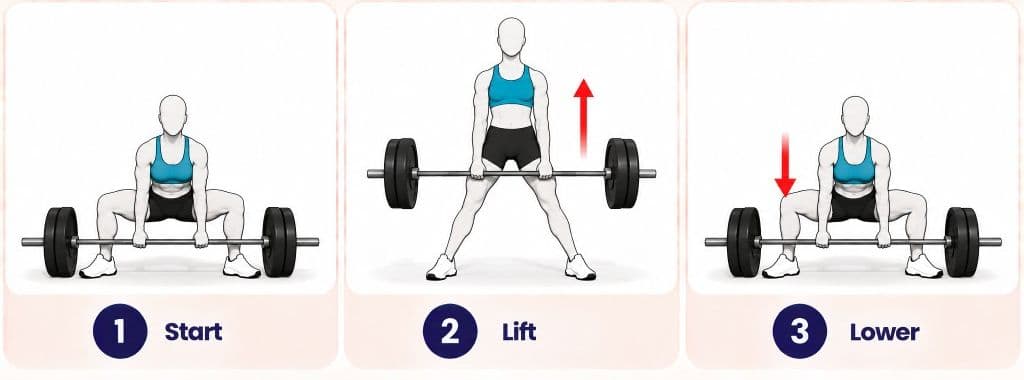
A wide stance shortens the range and asks more of the adductors and glutes. The setup is different from a conventional pull, and it still has to be braced.
gluteus maximus, adductors
A split stance with a hand on a wall lets you train one leg without a rear foot on a bench. It is the on-ramp to reverse lunges and Bulgarian split squats.
quadriceps, gluteus maximus
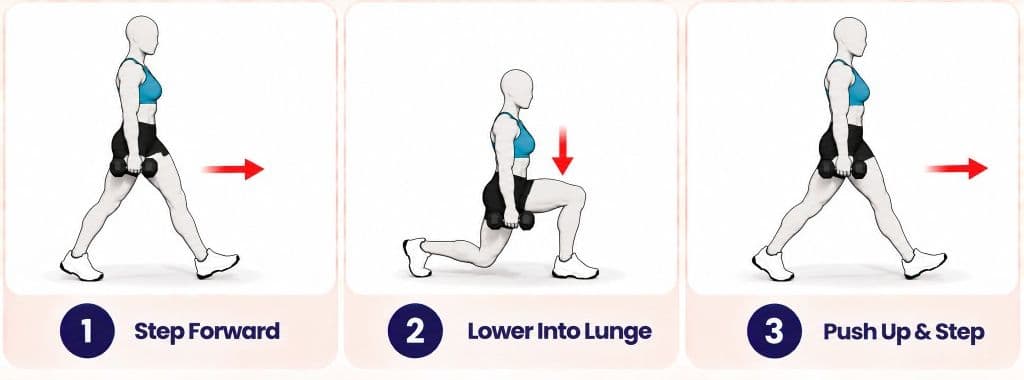
A walking lunge strings single-leg reps into a straight line. It trains the glutes, quads, and your ability to stay organized while moving.
gluteus maximus, quadriceps
Showing 4 of 30 exercises
A full deadlift starts from the floor and finishes with the hips and knees locked together. It is a whole-body strength lift with a large glute and hamstring demand.
gluteus maximus, hamstrings
Short uphill sprints train power and acceleration. The hill slows you down just enough to make sloppy form obvious. Rest is part of the workout.
gluteus maximus, quadriceps
The swing is a powerful hip hinge, not a squat that lifts a bell with the arms. The glutes snap the hips forward. The arms are along for the ride.
gluteus maximus, hamstrings
Pushing a sled builds legs and lungs without an eccentric lowering phase. It is a power and conditioning tool when the steps stay strong.
quadriceps, gluteus maximus